Built with CuberiQ
Learn how DAO models are transforming digital businesses through decentralized governance, token incentives, and transparent community-driven decision making.
Discover how digital twins are transforming e-commerce spatial environments by enabling real-time simulation of warehouses, logistics, and immersive virtual stores.
Discover how edge observability platforms enable trusted distributed intelligence with decision tracing, drift detection, and autonomous remediation.
Explore the next 10 years of emerging technology—from AI and edge intelligence to Web3 and quantum—and how businesses should prepare now.
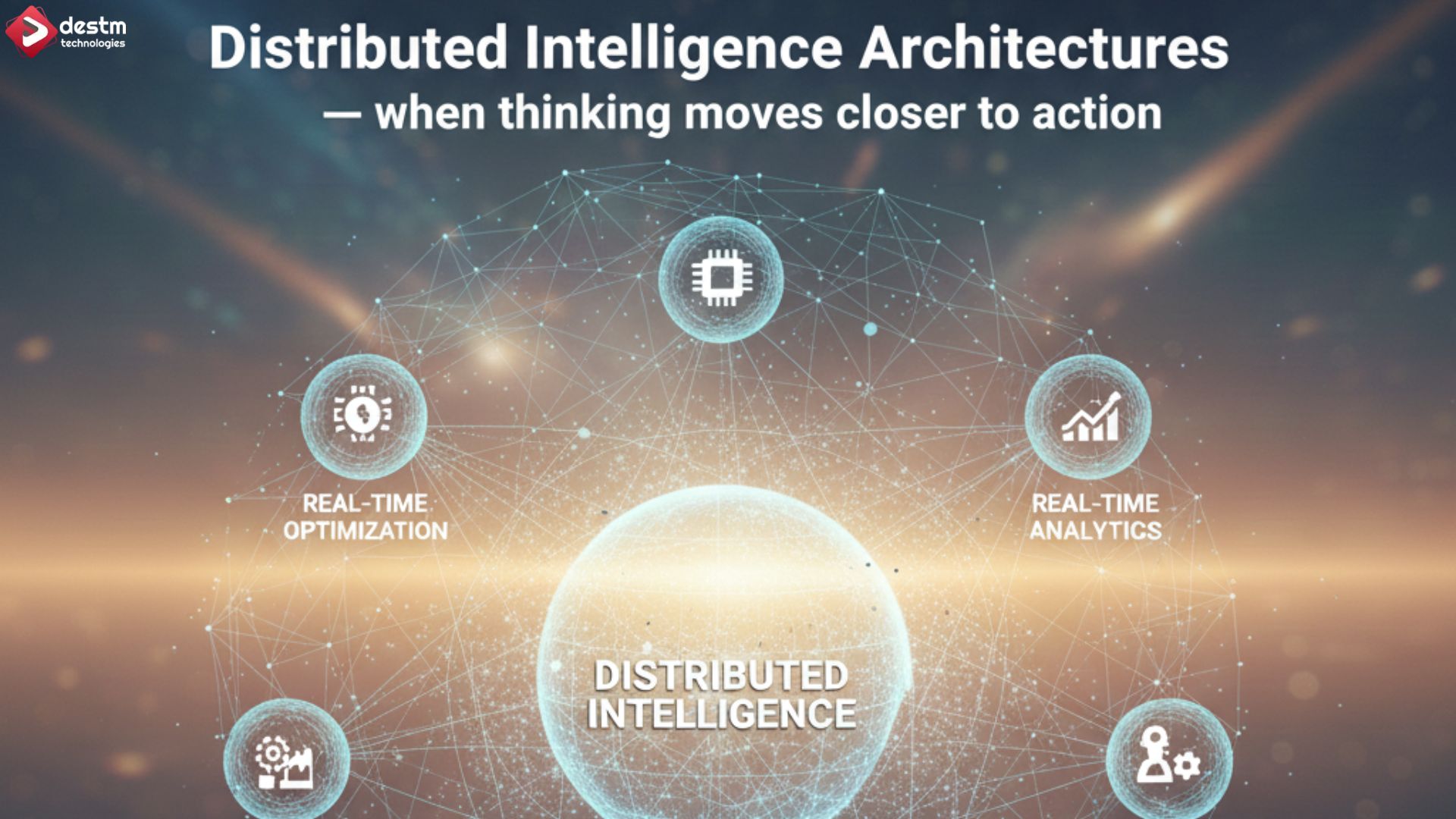
Explore distributed intelligence architectures, edge AI, and event-driven systems that enable low-latency decisions, resilience, and scale.
Learn how intelligent asset tracking systems use IoT, analytics, and automation to deliver real-time visibility, reduce losses, and optimize operations.
Most attribution models mislead marketers about acquisition. Discover why attribution breaks—and how to measure real growth in a post-cookie world.
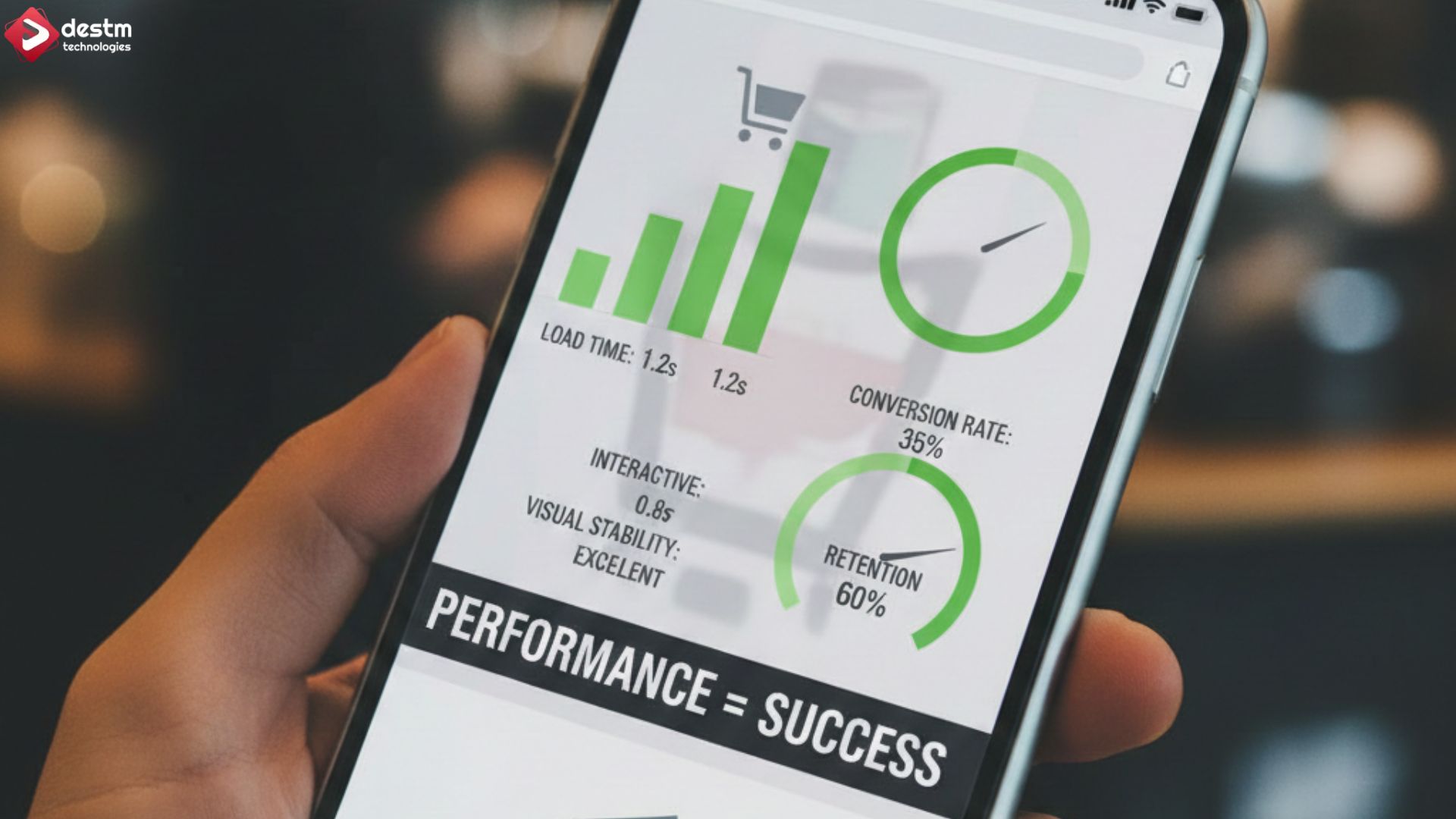
Discover how Accelerated Mobile Pages (AMP) influence mobile e-commerce performance. Learn the benefits, trade-offs, and best practices for speed, UX, and conversion optimization.
Learn how reducing DOM size improves web performance, rendering speed, and user experience. Discover actionable strategies to optimize your front-end architecture for faster page loads.
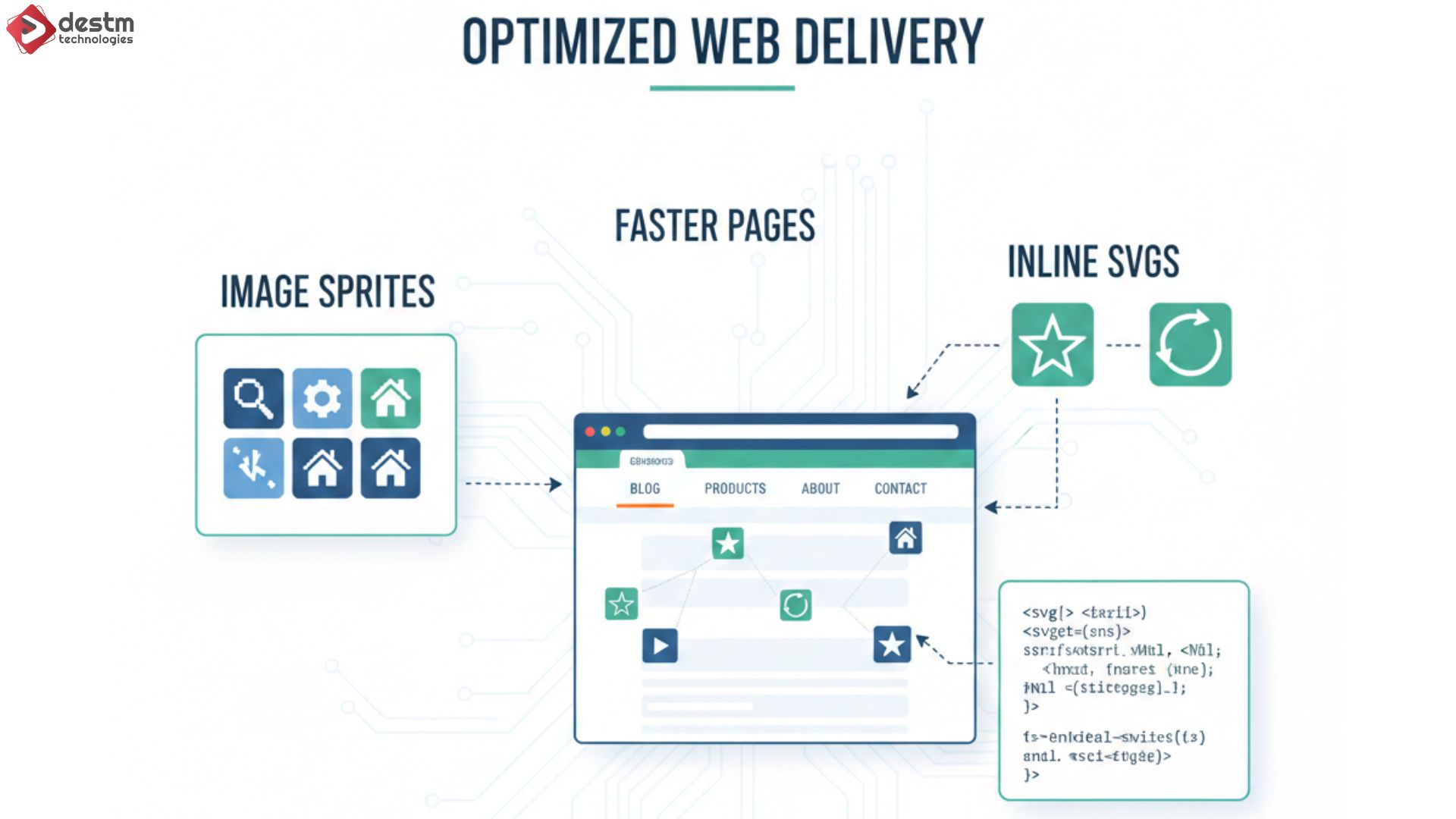
Learn how image sprites and inline SVGs can reduce HTTP requests, improve page speed, and enhance UX. Boost your website performance with these practical optimization techniques.
Learn 5 proven strategies to reduce Largest Contentful Paint (LCP) on eCommerce product pages. Optimize images, CSS, JavaScript, and server performance to improve page speed, user experience, and conversions in 2026.
This article explores how purposeful motion design strengthens trust across the buyer journey, from micro-interactions and state transitions to perceived performance and emotional reassurance. It highlights why motion should be treated as a functional UX layer—one that supports clarity, usability, and conversion rather than decoration.









.jpg)